American Dancer: A Powerful Prescription for Health—and Resilience
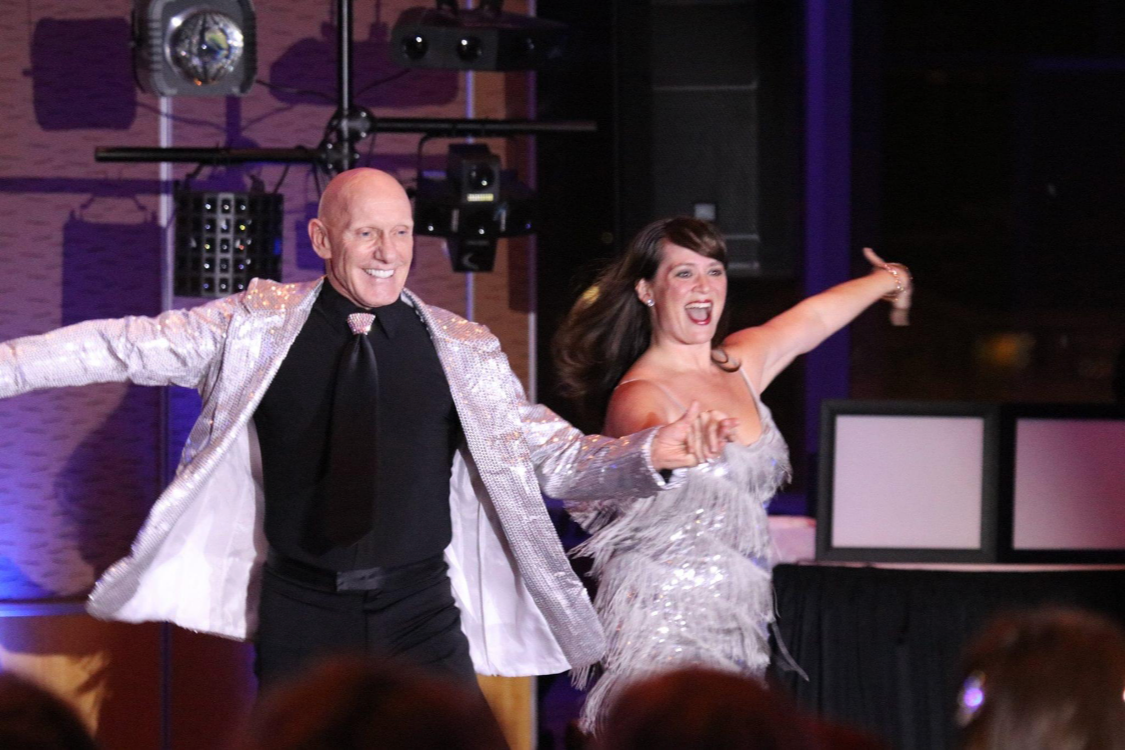
Jim Carter and instructor Andrea Kuzel: “You’ll never walk again.”
This article originally appeared on American Dancer.
Five weeks. Five book launch events. Multiple presentations. One nearly universal reaction from dancers and non-dancers alike: Genuine surprise. Sometimes audible gasps.
That’s why I authored The Dance of Resilience: Transforming Lives and Staying Vibrant Through Partner Dance (released January 13, 2026, distributed by Simon & Schuster). Few people know the true power of partner dance.
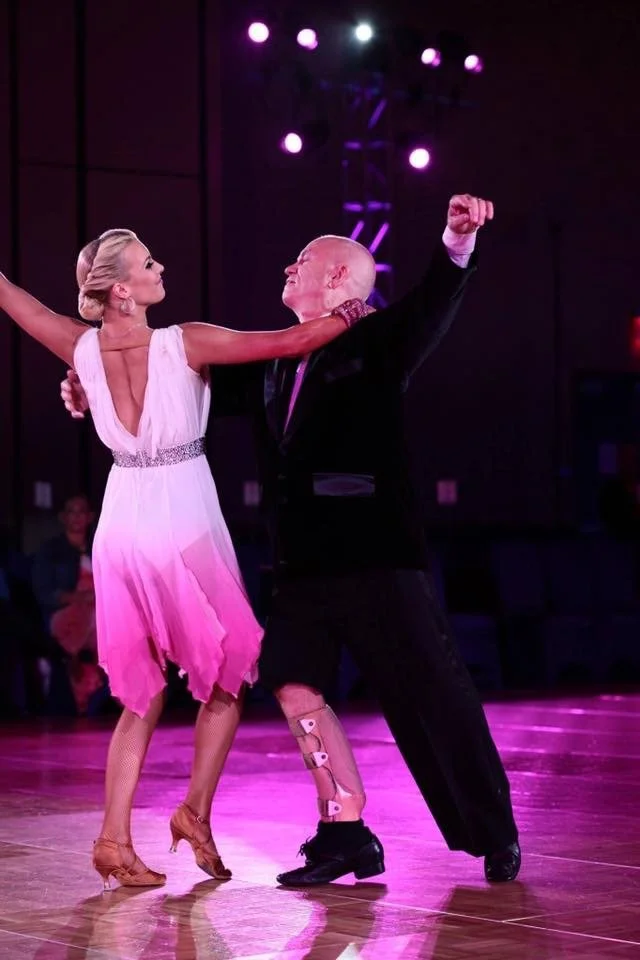
Dr. Paul Cederberg and Meghan Afonkin dancing their Waltz.
There’s Jim Carter of Duluth, Minnesota, who was gored in the thigh by a buffalo, exploding his femoral artery. His doctors told him he would never walk again; he would have none of it. Never a dancer, his physical therapist sent him to the local dance studio, where he practiced Waltz boxes for hours a day in front of a mirror to reconnect his brain to his leg. A few years later? He entered a ballroom dance competition with his instructor Andrea Kuzel – and won Top Newcomer Male.
There’s Dr. Paul Cederberg, a senior orthopedic surgeon in the Twin Cities, who starts his lyrical Waltz-like showcase alone, without his partner. He pauses to roll up his pants leg and attach it to Velcro above his knee. The audience sees a prosthesis from knee to ankle. Teacher Meghan Afonkin joins him to dance on to a standing ovation.
These are just a few of the resilient stories that dancers shared with me in personal interviews in The Dance of Resilience. I set out to write these stories because I knew first-hand the transformational impact that partner dance made on my own life.
When I walked into a dance studio at the age of 35, I had one purpose—to find a husband. I found one, but he doesn’t dance a step. Instead, dance changed me.
I was a young attorney and state senator in the 1980s. I worked long hours to be the perfect career woman. I could not make a mistake, at least publicly.
My skilled dance teacher, Nathan Daniels, knew how to take control from a woman normally “in charge.” He taught me to relax and laugh at myself. I had found a safe place to be me–the authentic me. I could let go. I could make a mistake and be vulnerable. I could love myself. And I could love another person when my future husband stepped into my life.
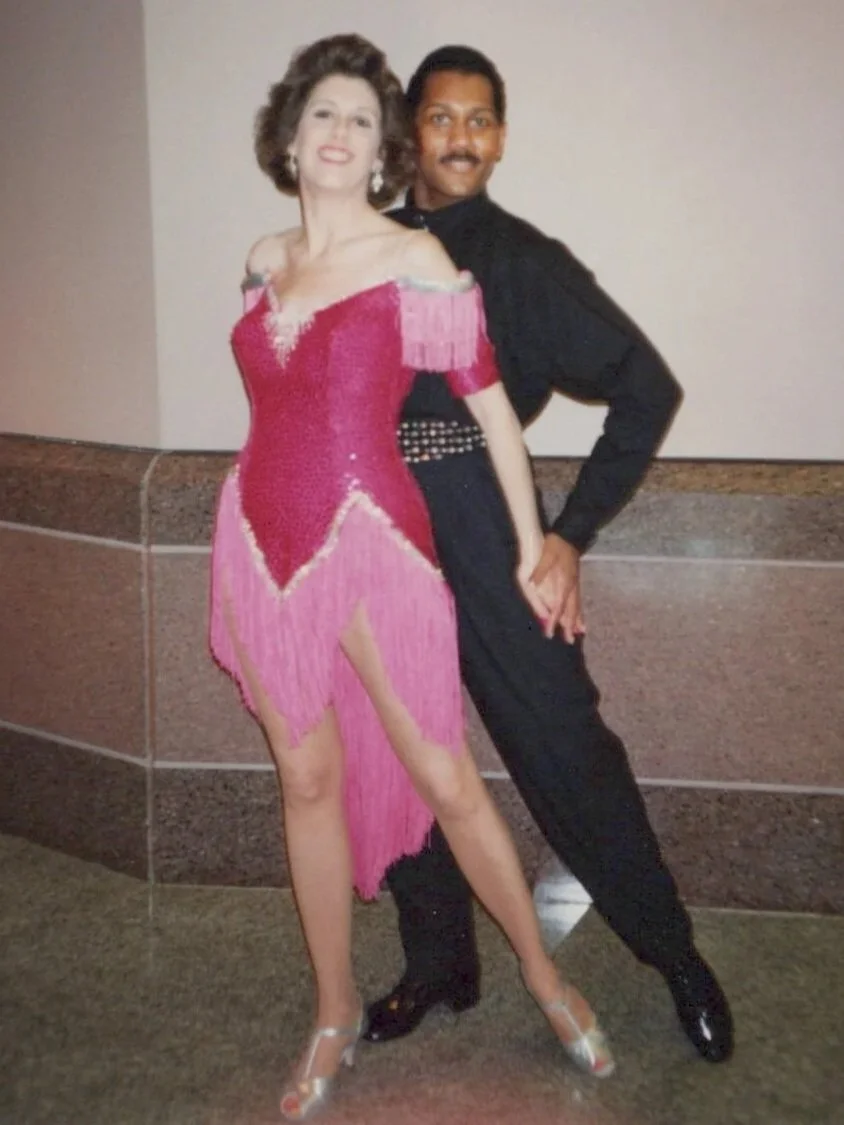
Ember Reichgott Junge and Nathan Daniels
Now 72 years old, I know that partner dance is a prescription for healthier aging. A landmark 2003 study led by the Albert Einstein College of Medicine in New York City found that weekly partner dance can reduce dementia risk by an astonishing 76% – more than any other form of exercise. Yes, the Tango really can help prevent dementia.
Though working crossword puzzles at least four days a week and reading books lowered dementia risk by 47 and 35 percent respectively, no other tested physical activity such as swimming, walking, tennis or golf appeared to offer any protection against dementia.
This is a big deal. According to 2025 data, the lifetime risk of dementia after age 55 is 42%. Rates are substantially higher for women and black adults.
Dancing can also ease symptoms of Parkinson’s disease, improving mobility, balance, and quality of life. Dance fosters connection and community, easing depression and isolation during this “epidemic of loneliness” declared by former Surgeon General Dr. Vivek H. Murthy. His study found that loneliness and social isolation can increase risk of premature death as much as smoking 15 cigarettes a day.
My book lifts the curtain on the remarkable health benefits of partner dance, weaving in compelling first-hand stories of how dance supports aging, resilience, and healing. These stories describe people navigating grief, illness recovery, and major life transitions through partner dance with courage and self-discovery.
As a former legislator, I couldn’t stop there. Did you know a large insurance company is paying for dance sessions for members of its Medicare Advantage retiree portfolio? Some doctors are now issuing “social prescriptions” for a series of dance sessions, paid by insurance or public funds. So, I issue a Call to Action for everyone to help bring partner dance into the insured healthcare system to improve health and well-being for people across our nation.
From curious seniors to social or competitive dancers, there’s something new for everyone. That’s why I’m delighted to accept an invitation from American Dancer to contribute a series of articles in the coming months to share inspiring stories and proven scientific data arising from the book.
Dance on with resilience. Together we can make this happen!