American Dancer: The Last Memory to Fade
This article originally appeared on American Dancer.
By Ember Reichgott Junge. Photos courtesy of Maria Hansen.
Stepping Up to Dance with People with Dementia
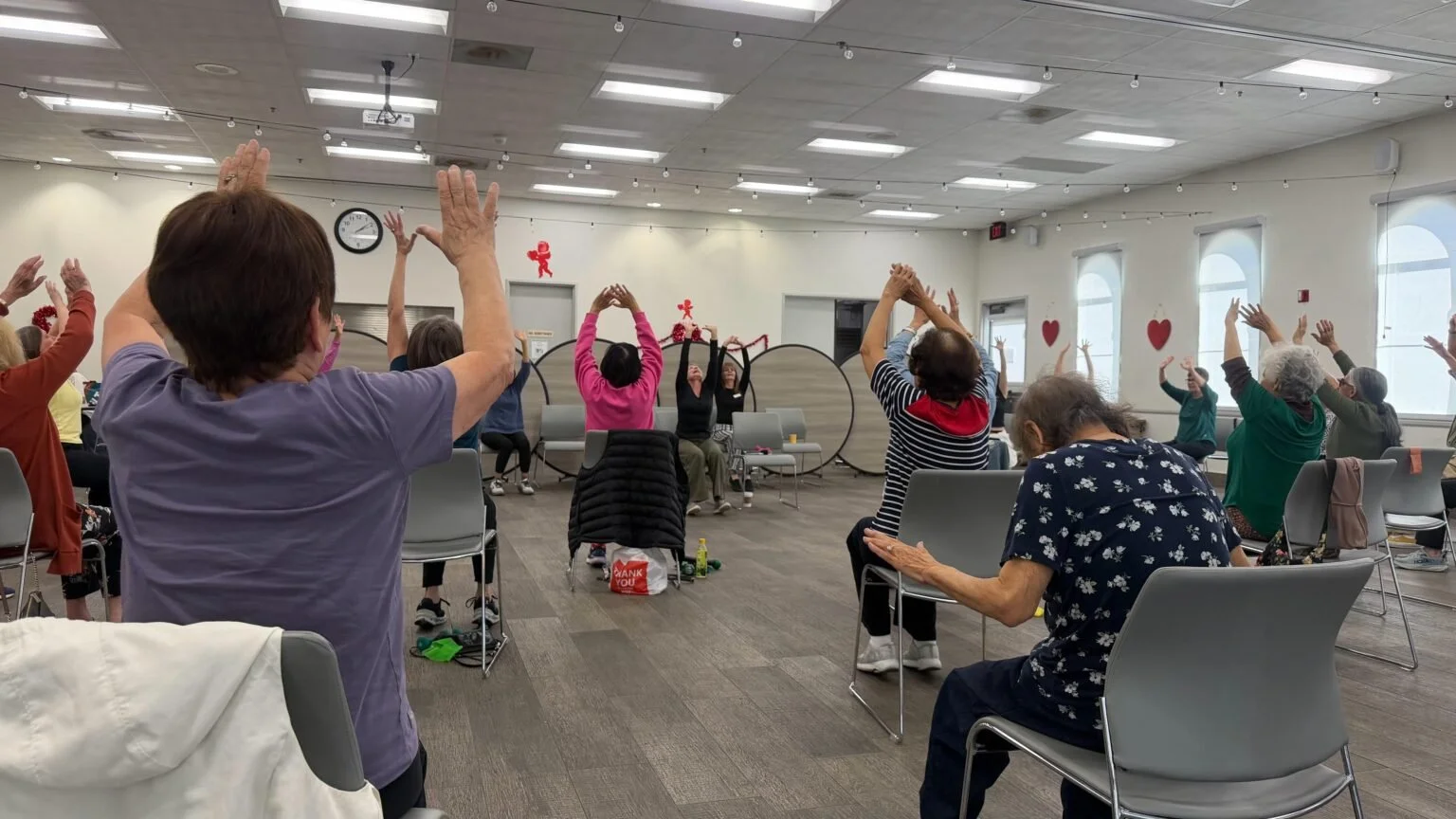
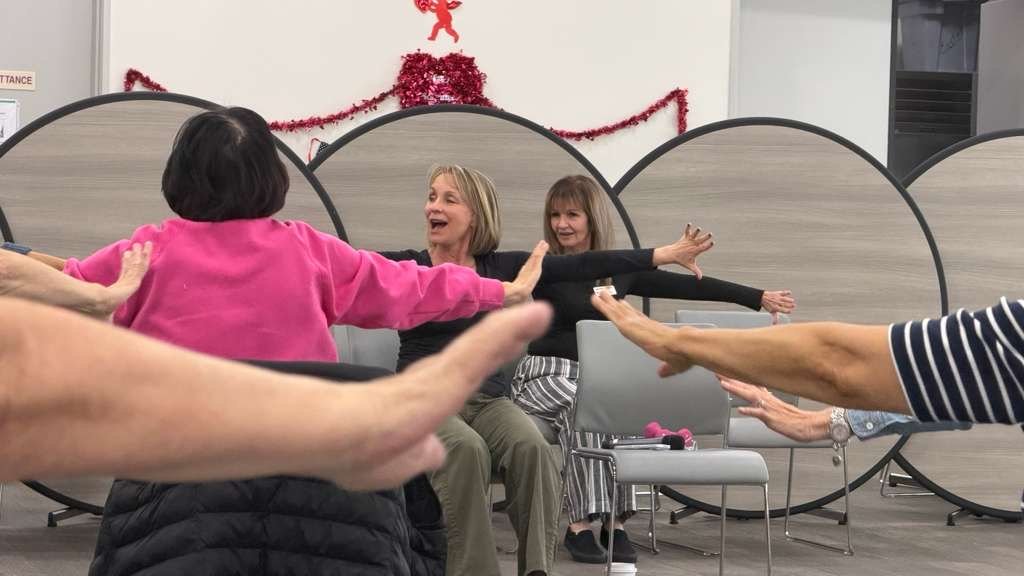
Maria Hansen knew she was on the right path during the very first dance class she piloted for people with dementia in Carmel, California. She met a man with the difficult diagnosis of Lewy body dementia. His wife was worried about him joining the class, but Maria suggested he might just enjoy the music.
“About the third song in, he decided he wanted to get up and dance with his wife,” Maria recalled. “She was in shock because he never liked to get out of his chair. So they swayed back and forth in the back of the room. He hugged her and kissed her and then sat back down, joining the class with movements in his chair. It was a really special moment for them and also for me. I felt like what I was doing was being validated.”
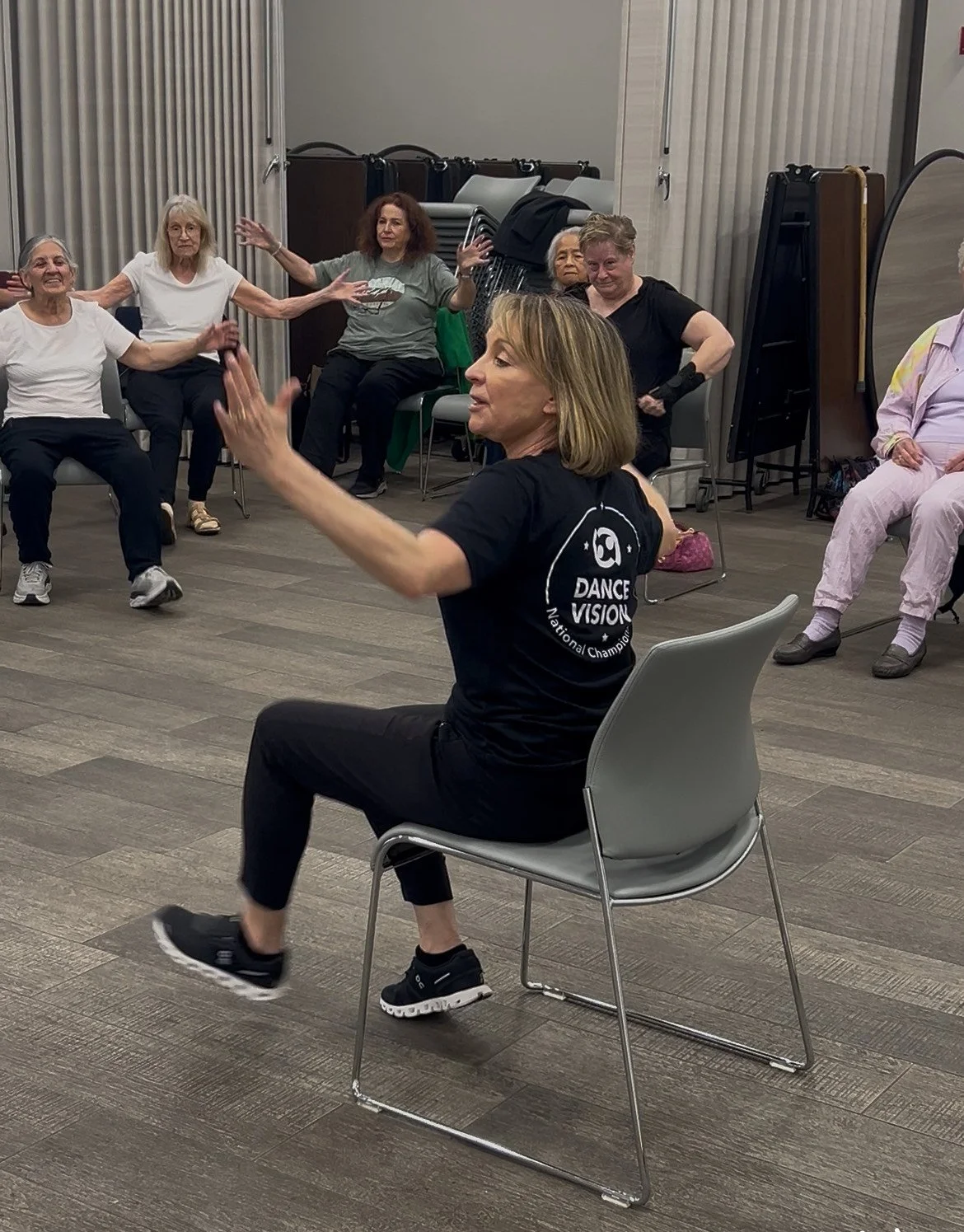
Maria Hansen, a nationally-known ballroom dance judge, teacher and coach, is living her life-time purpose as a trainer and researcher with the Dance Vision Foundation, co-founded by Wayne and Donna Eng. The Engs’ vision is to gear dance activities toward mental wellness and brain health. They chose to start with older adults, addressing dementia, Alzheimer’s, Parkinsons and other conditions that can benefit from the brain-and-body connection of ballroom dance.
Maria had been a nursing student before she turned to dance, and her interest in biology, biomechanics, health, and wellness never waned. After she retired from competitive dance, she studied kinesiology because she wanted to learn about movement from a more scientific perspective.
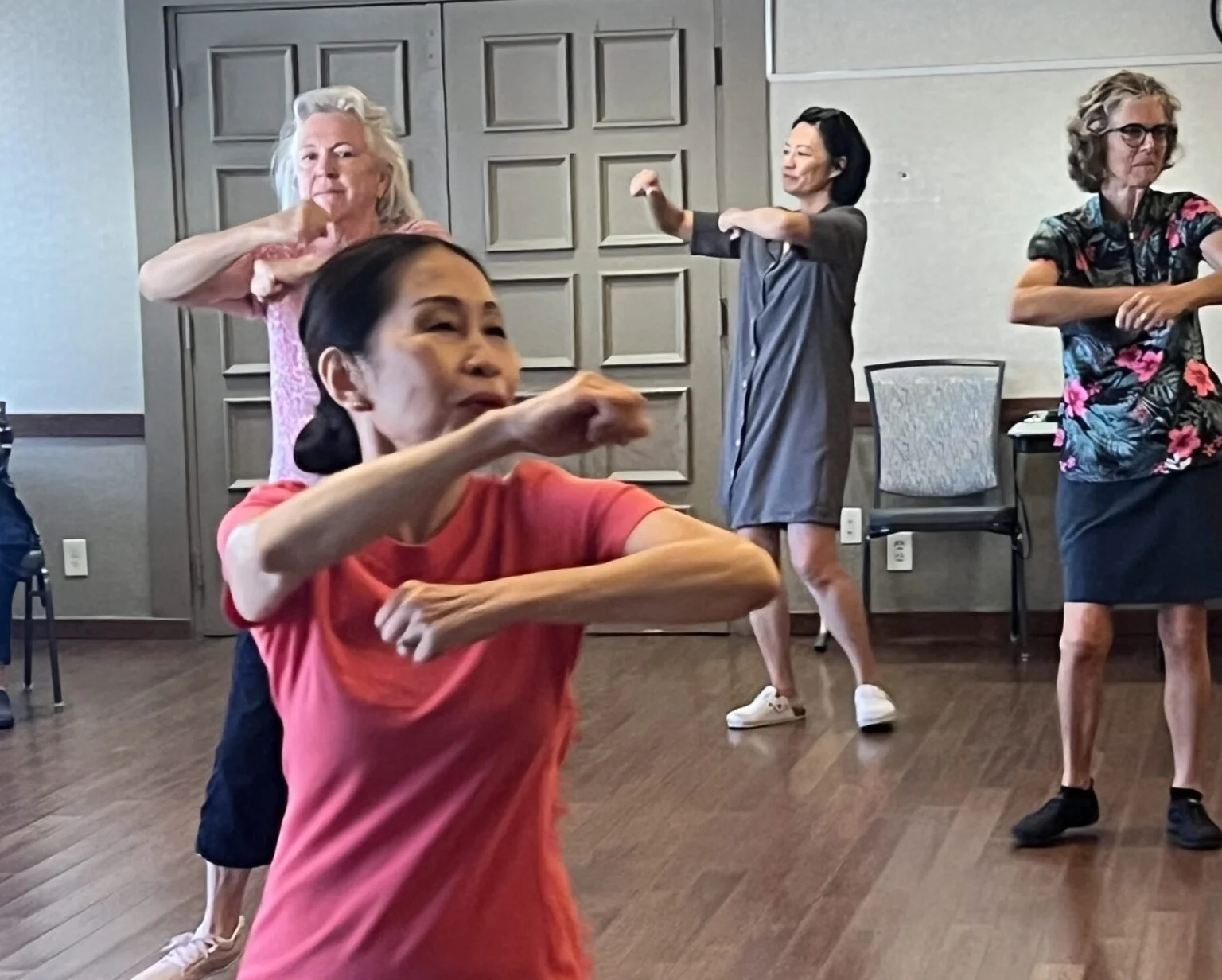
She knew from her research that music memories are stored in a different part of the brain—the last part of the brain that is affected by Alzheimer’s. “That’s why the generational music we choose is so important,” Maria added. “It activates every region of the brain.”
Maria has also worked with a physical therapist in Seattle in a retirement center where some participants could stand, and others were in wheelchairs.
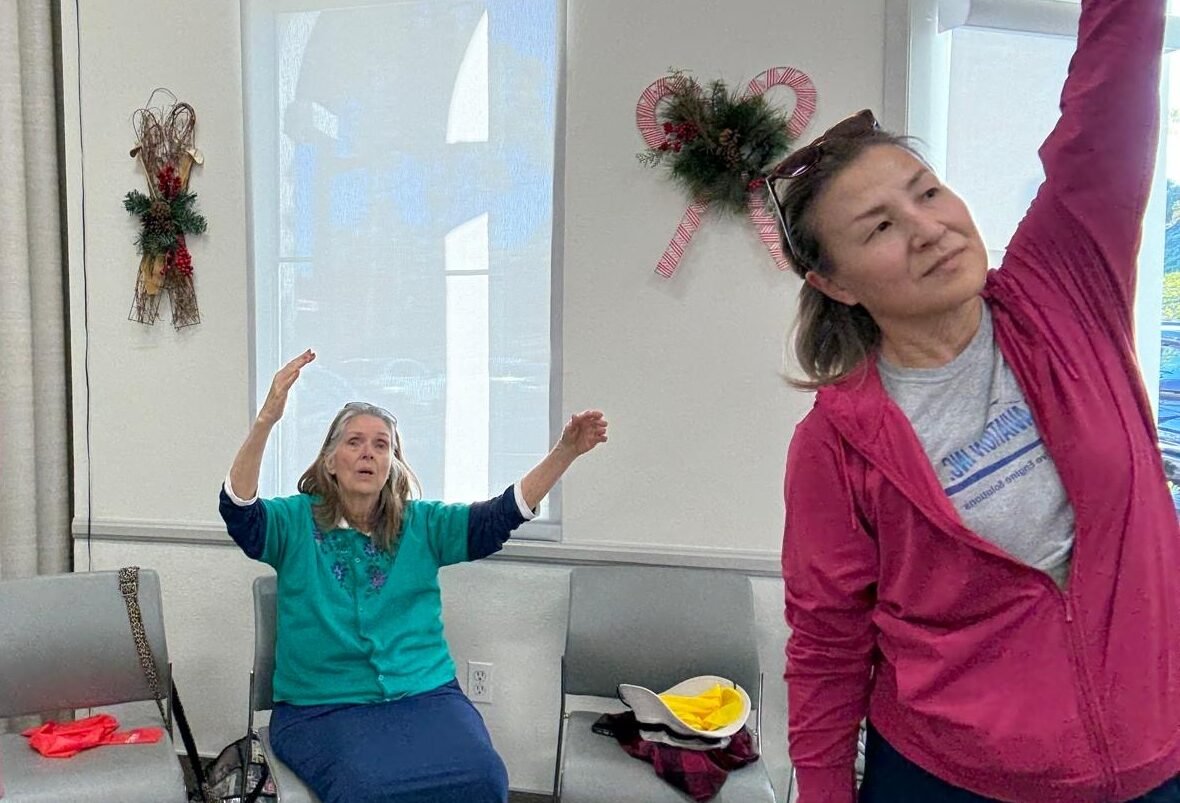
“There was one lady who was pretty nonresponsive,” Maria said. “She was hunched over in her chair and didn’t make eye contact when I tried to introduce myself. But about halfway into the first song, she made eye contact with me. Then she started bouncing up and down in her chair, trying to copy my arm movements. It was like a light had lit inside her, and she smiled the most beautiful smile I’ve ever seen. It could light up New York! Then in the middle of the class, she wanted to stand up. So, the physical therapist brought her a ballet barre, and we helped her stand and hold the barre, joining the rest of the class. It was a forty-five-minute class, but all the participants wanted to keep going, so I did another forty-five minutes. And this woman still wanted to stay after that. It was beautiful to see someone come to life that way.”
Maria and her colleagues have moved beyond the pilot testing phase and are developing an outreach program. They are creating a few classes in retirement homes, assisted-living facilities, and senior community centers on the west coast. They will next expand their outreach to studios within the Dance Vision network.
They plan to train and pay teachers. The goal is to have the choreography routines explained in writing and in video on a private YouTube channel so people can easily learn how to lead classes. The routines would be changed up periodically to keep things fresh.
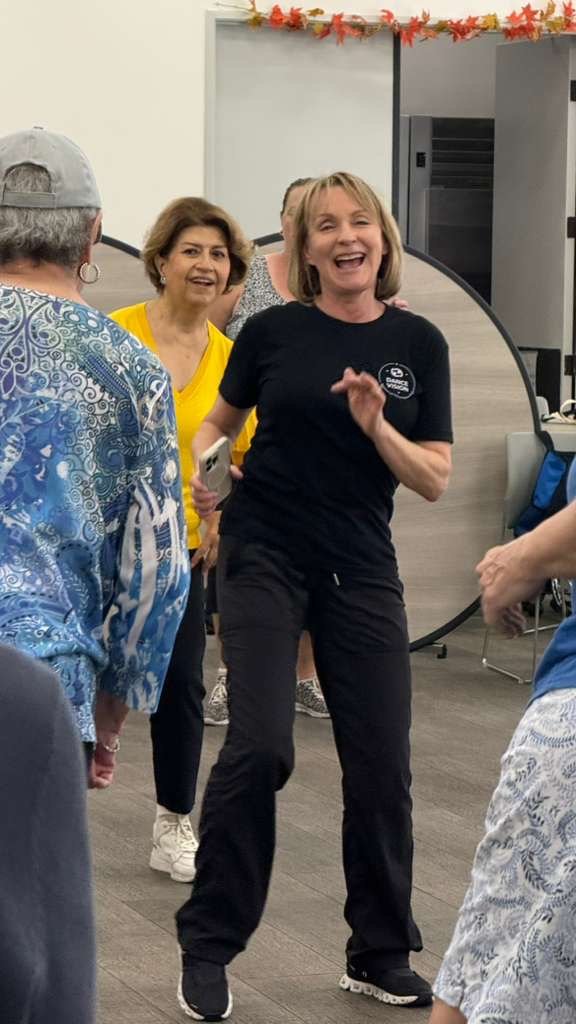
As Maria looks to the long-term future, she’s passionate about creating classes for other generations, such as Generation X and Millennials, to address anxiety, stress, and mental well-being.
“Studies show that dancing is actually more effective than drugs in combating anxiety and stress,” she said. “Every generation has issues. The sad thing is that the Zoomers, the youngest generation, has the highest suicide rate of all. They’re the generation that has grown up on social media, and that’s creating a lot of problems for them.”
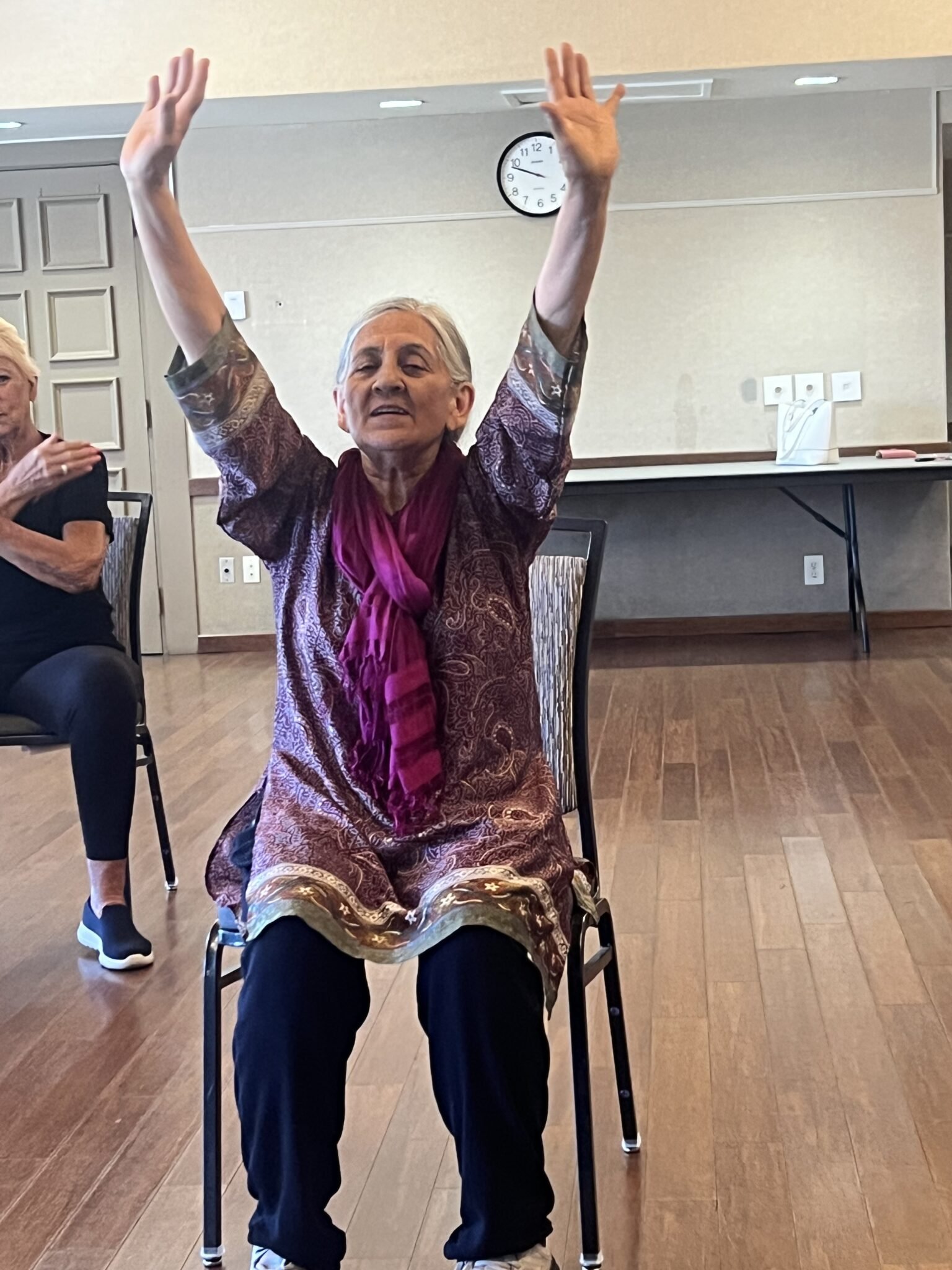
Kudos to Maria, the Dance Vision Foundation, and all other dance professionals leading the way to bring benefits of partner dance to boomers and elder adults living with Alzheimer’s and dementia. The possibilities are endless. The vision is real. The need is huge.
A study published in Nature Medicine on January 13, 2025, found the lifetime risk of dementia after age fifty-five to be 42 percent. Rates were substantially higher in women and black adults. The number of United States adults who will develop dementia each year was projected to double from about 514,000 in 2020 to approximately one million adults in 2060.
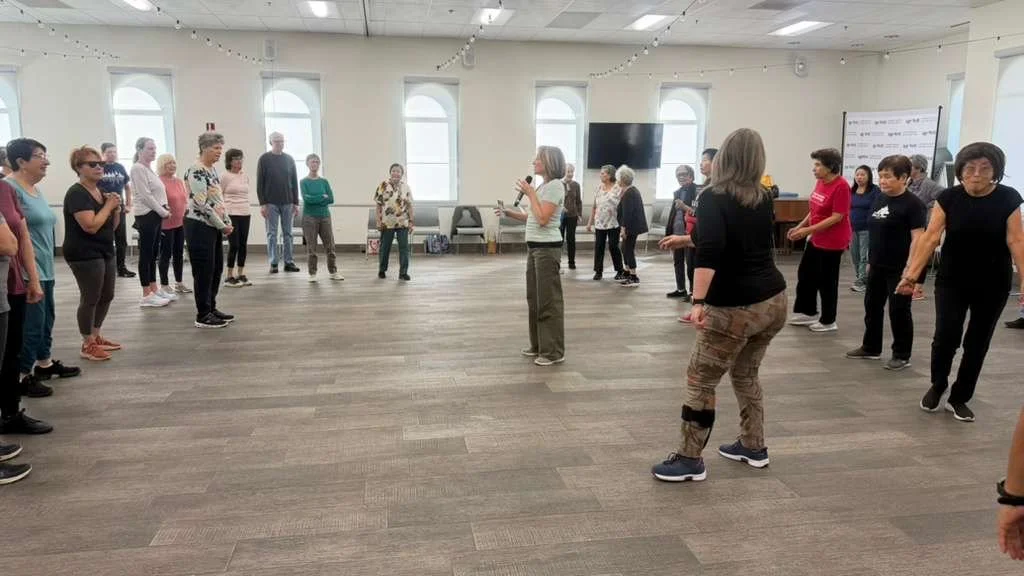
The road is challenging. Similar dance programs for people living with dementia have been tried around the country, but the efforts are fragmented and uncoordinated. The programs often struggle to succeed because they lack funding and passionate volunteers.
Are you working with people with dementia in your studio or community? Are you funding a local program from a foundation or nonprofit? If so, please contact me at ember.reichgott@gmail.com so we can all connect and learn from one another. Imagine what we as dancers can do together for our families, our communities, and ourselves.